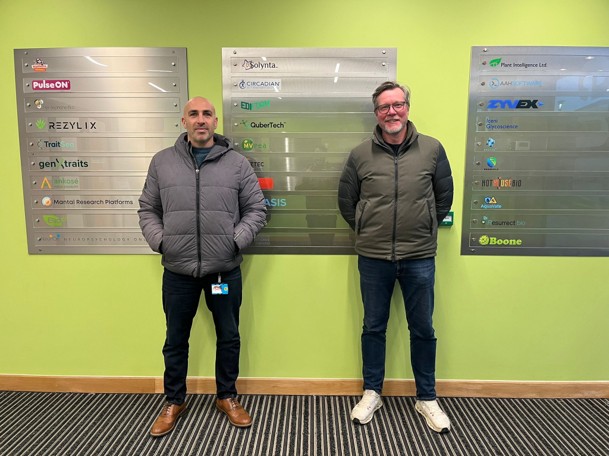


QuberTech, a start-up company at Norwich Research Park, is aiming to transform the industrial production of rubber by using an innovative and more sustainable source – dandelions. Co-founders Dr Ofir Meir, CEO and Dr Neil Clelland, Chief Business Officer, have big ambitions and believe their biotechnology holds the answer.
Ofir, explained, “Natural rubber keeps the world moving. Without rubber, planes don’t fly and trucks don’t move. Without tyres the supply chain collapses. Synthetic alternatives lack natural rubber’s superior qualities and pose environmental risks. Therefore, we need to find another natural alternative. We think we’ve found it with dandelions.”
QuberTech aims to address the critical challenges faced by the $20bn global natural rubber industry, a sector that’s under increasing pressure from sustainability concerns, geopolitical risk, climate vulnerability and supply chain.
About 14m tonnes of natural rubber is produced globally each year. The vast majority of it is harvested from tropical plantations in southeast Asia and west Africa by extracting latex from the bark of a single tree species, Hevea brasiliensis, which is threatened by climate change and diseases.
Ofir, said, “The global production of natural rubber is declining, while demand is increasing. New deforestation regulation, climate change and new diseases, are fundamentally transforming the global rubber industry, creating a supply gap of approximately one million tonne a year”.
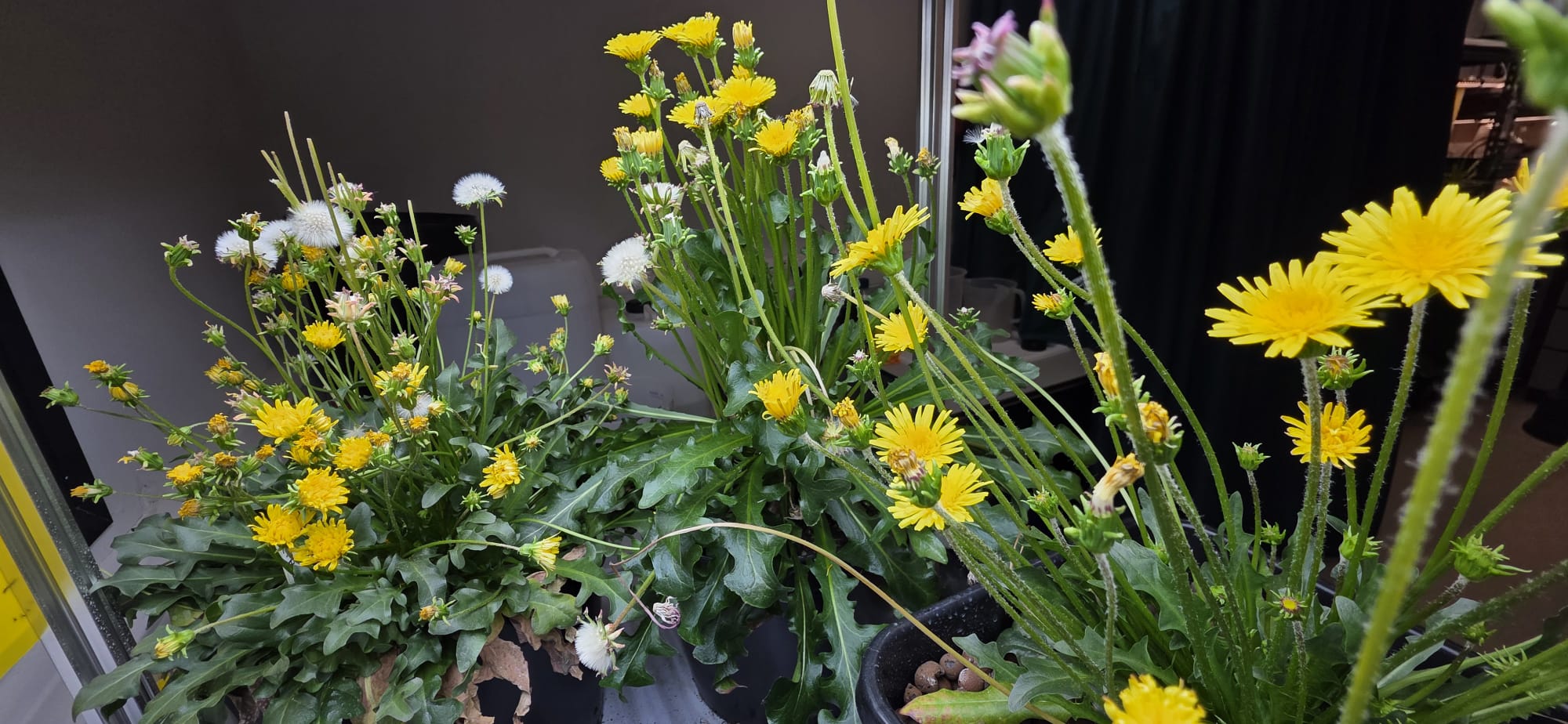
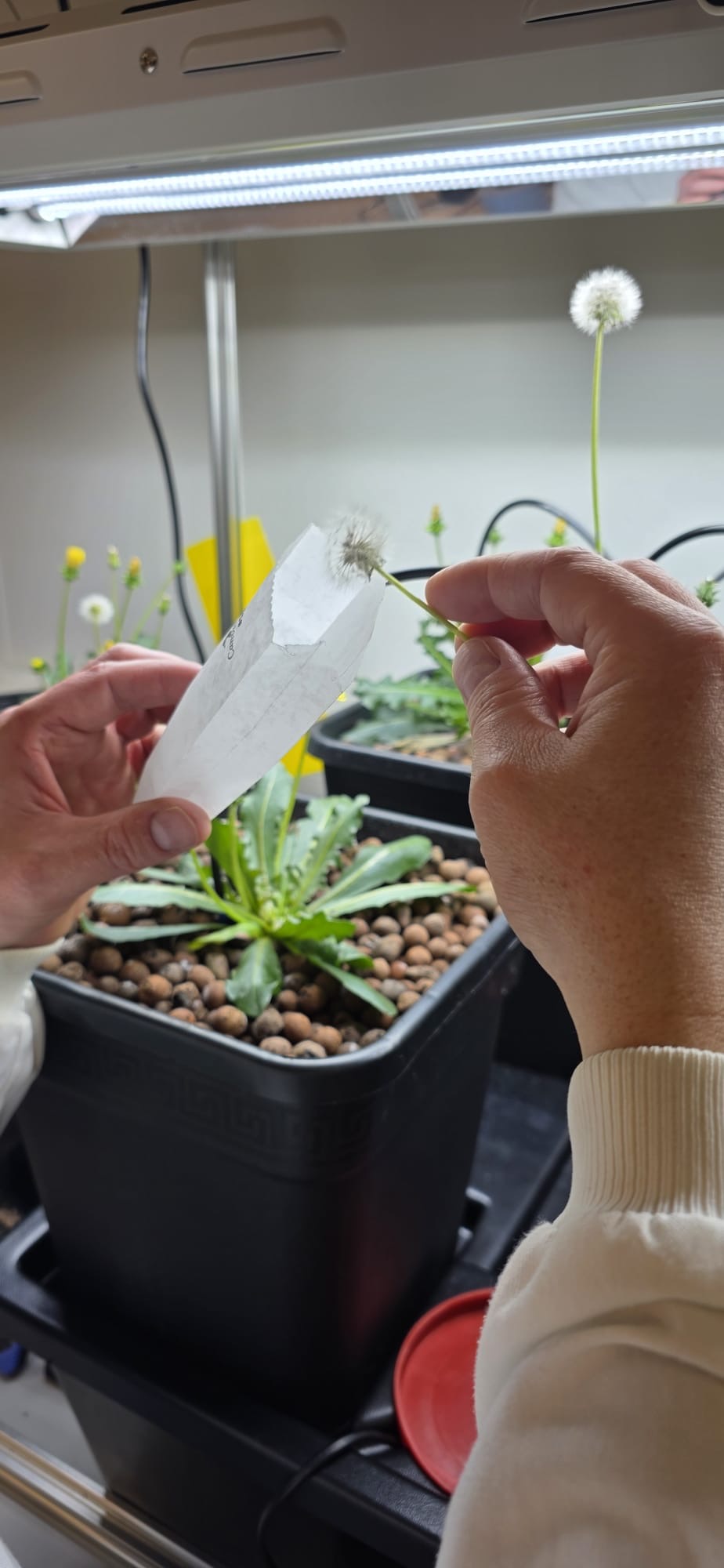
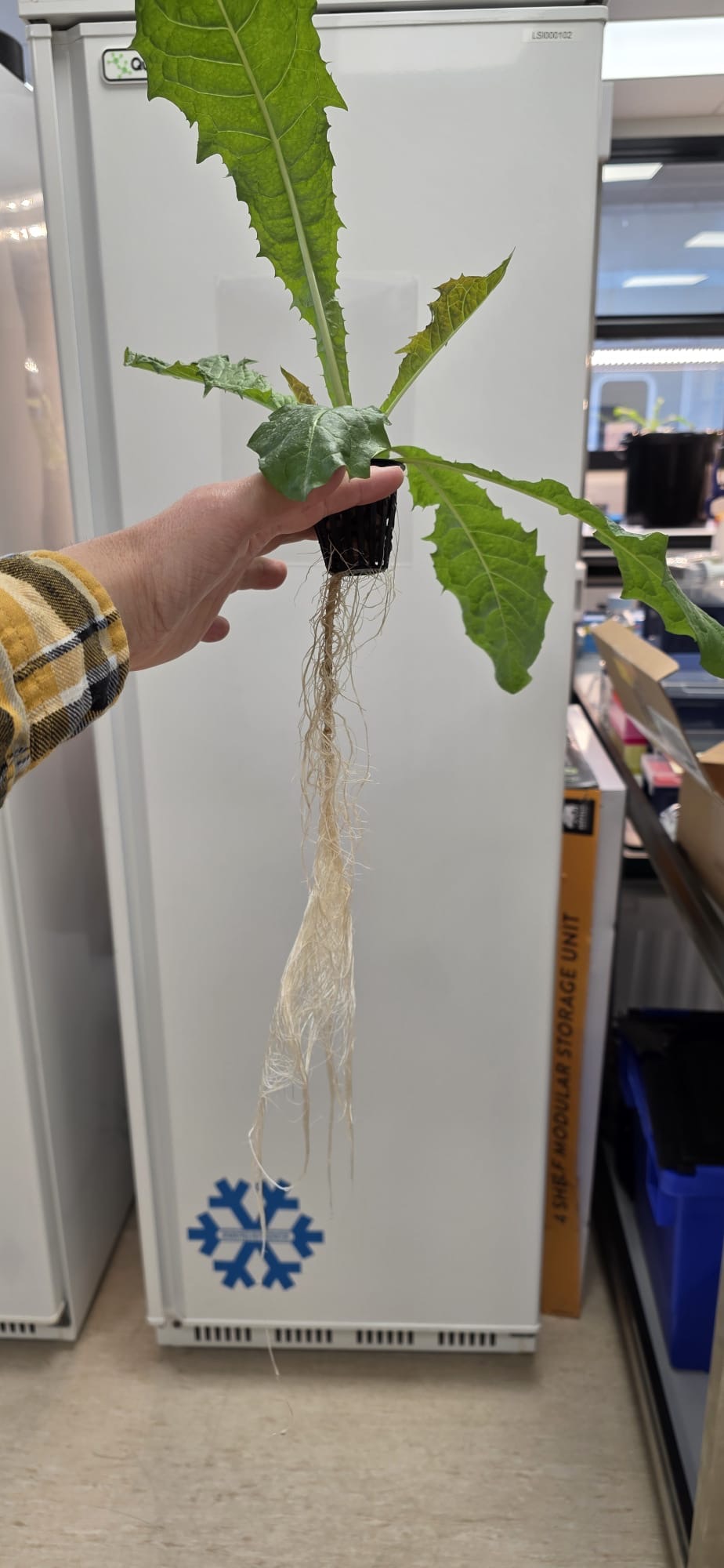
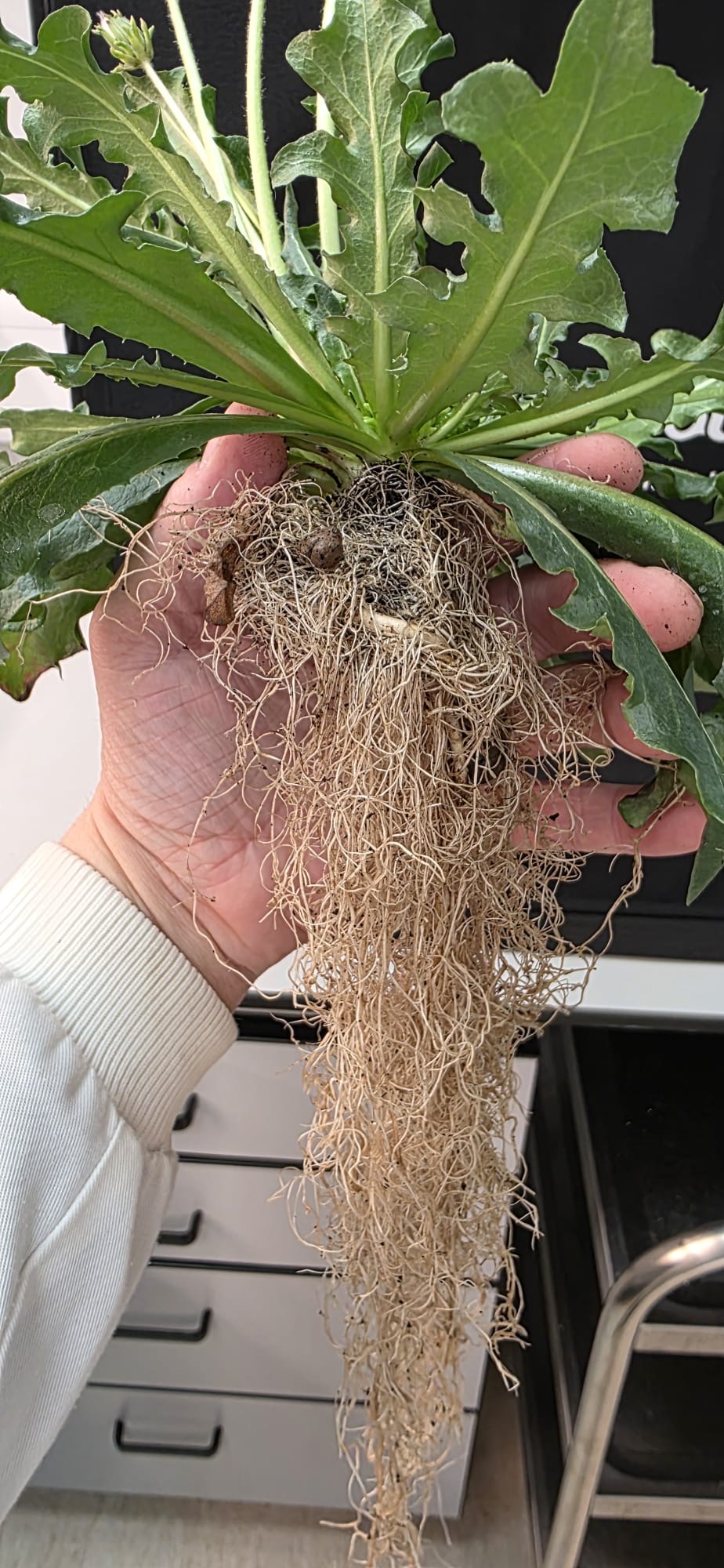
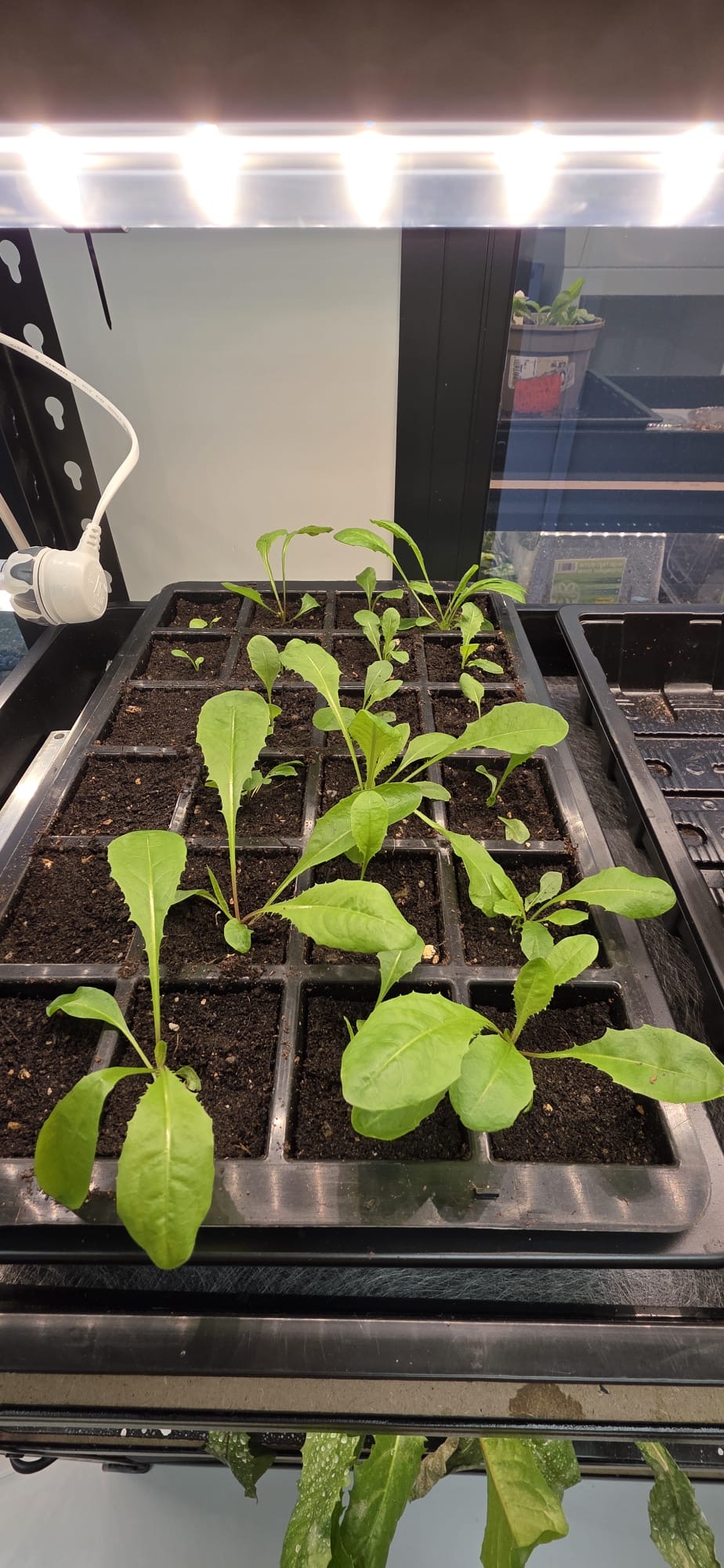
QuberTech’s solution lies with dandelions, whose root system naturally produces latex. To help further its research for this solution, QuberTech is leading a precision breeding project called QuBOOSTR along with its academic neighbours, here at Norwich Research Park, the John Innes Centre and LettUs Grow. The project is being funded with £2.4m from the UK Government’s Defra Farming Innovation Programme, in partnership with Innovate UK.
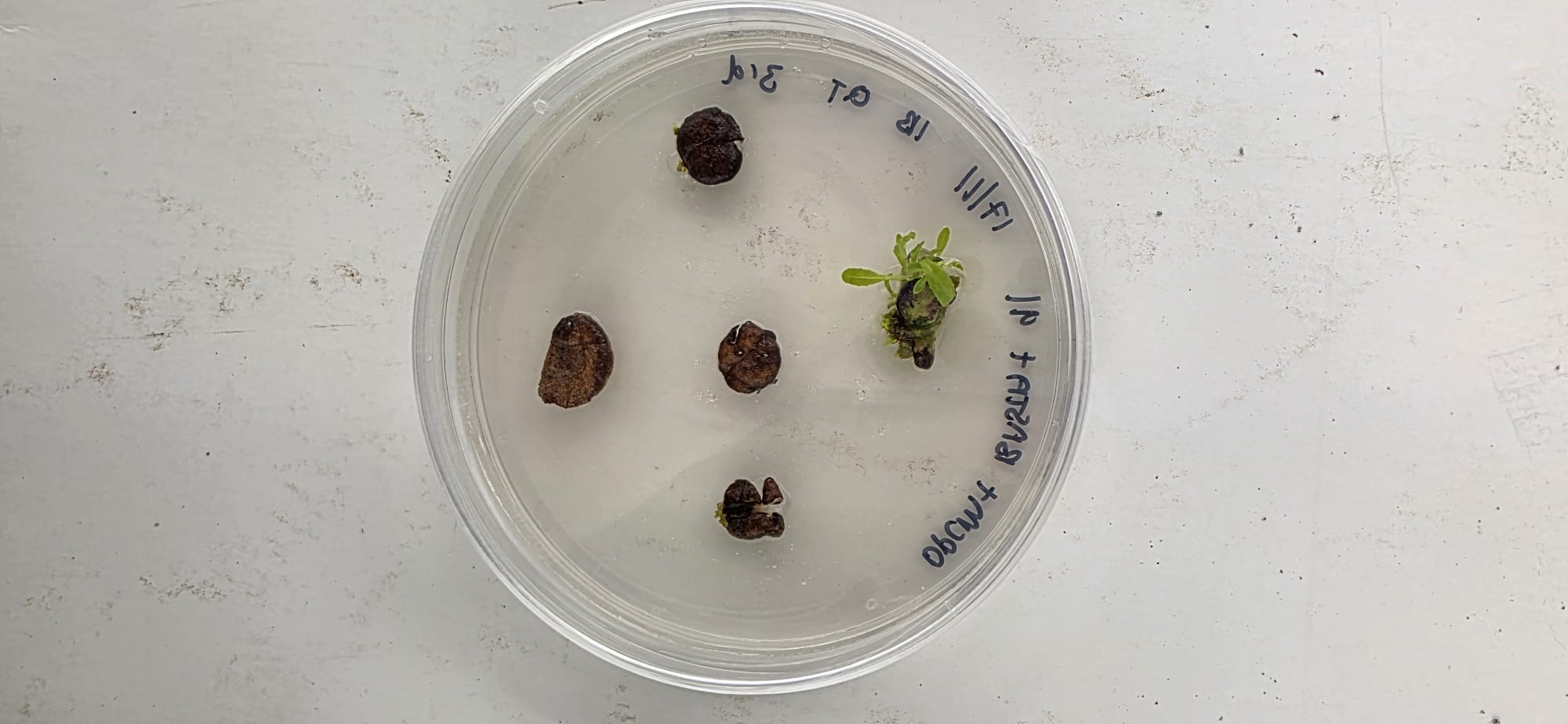
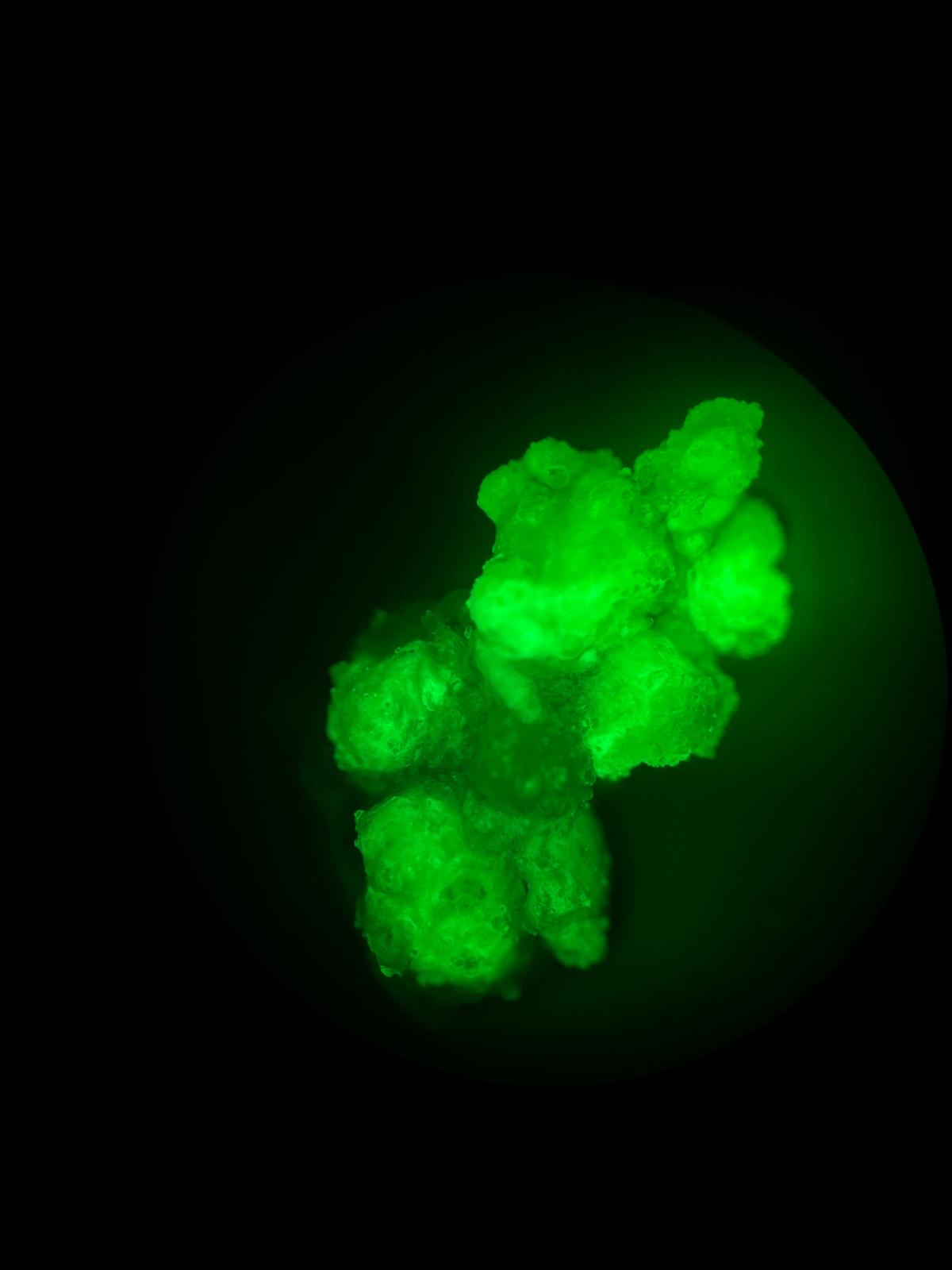
Historically, dandelion latex levels have not been high enough to be commercially viable. However, this initiative will use gene editing techniques and analytical tools to optimise the plants for higher-grade production at scale. By combining the John Innes Centre’s world-leading plant science with QuberTech’s gene-editing expertise and LettUs Grow’s advanced aeroponics technology, the partnership will optimise dandelion crops for high-density, soil-less indoor farming.
LettUs Grow has developed aeroponic technology that provides the precise, soil-free environment needed to enhance root growth and allow for the clean and easy access required to harvest and study latex-producing roots. By proving the efficacy of aeroponics for industrial crops, could open new doors for commercial growers to diversify beyond food into high-value industrial commodities.
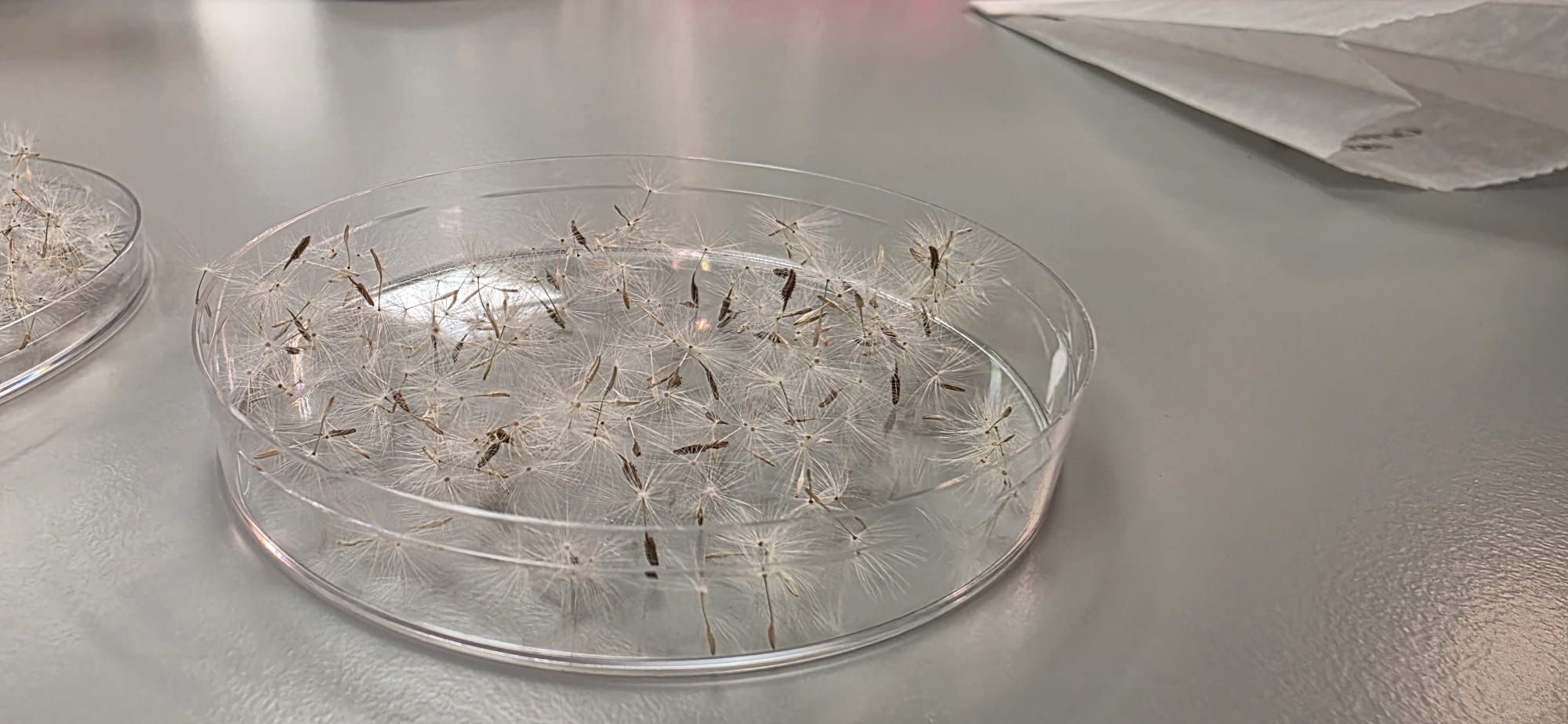
The most attractive dandelion to grow for rubber production is the Taraxacum kok-saghyz (TKS), isolated in Kazakhstan, as it naturally produces more latex than other species. The team is currently identifying which TKS genes to tweak to regulate the amount of latex the plants produce.
Because the dandelions are grown in misty air in glasshouses, the rubber could, in future, be produced on brownfield sites rather than competing with farmland. This potentially opens up many opportunities to create entirely new crops and industries for the UK’s agriculture industry.
The QuberTech team is convinced that gene-editing can create a plant that is efficient enough to be used commercially as an alternative for sustainable rubber production.
Neil expects to be in “early pilot production” within the next 12 to 18 months which should allow QuberTech to provide rubber samples to commercial partners. He said, “We are targeting entry markets that are higher value, better quality and lower volume, such as the medical, footwear and fashion sectors.”
If the pilot scheme proves to be successful, QuberTech aims to have a two-hectare commercial site producing about 3,000 tonnes of rubber within three to four years.
Ofir has been working at Norwich Research Park for many years, previously as the Chief Technical Officer (CTO) at Tropic, a start-up company that employed gene editing techniques to deliver its first commercial product last Autumn, a banana that stays yellow and fresh after it is peeled and sliced.
Ofir said, “Working for Tropic, I was fully aware that at Norwich Research Park we have the best in the world technology platforms and expertise in crop and plant science, plus there is a thriving community of entrepreneurs and science start-ups as well as a brilliant support programme delivered by Anglia Innovation Partnership.”
QuberTech is currently in the process of raising its pre-seed round of funding that will enable it to achieve its objectives before progressing to the pilot scale in two years’ time.
Ofir’s long term plans are to follow in the footsteps of his previous company, Tropic, and grow QuberTech’s HQ in Norwich before establishing centres around the world near its core markets.
QuberTech has been supported by the Anglia Innovation partnership incubation programme set up to support for early stage companies based at Norwich Research Park.
Ofir presented at the most recent ‘meet the investor’ showcase held for companies on the Park campus and he regularly appears on panel discussions at Enterprise Tuesday showcase events.
Sam Graham, Enterprise Network Manager, who leads the programme said, “It has been extremely enjoyable working with Ofir and Neil. The support and enthusiasm they bring to our ecosystem as serial entrepreneurs is hugely valuable in helping our other entrepreneurs to navigate what can be tricky waters in setting up and growing an innovative biotech business. We are delighted to have them as part of our community and that they value the Park campus as the place that they want to set up and grow QuberTech.”