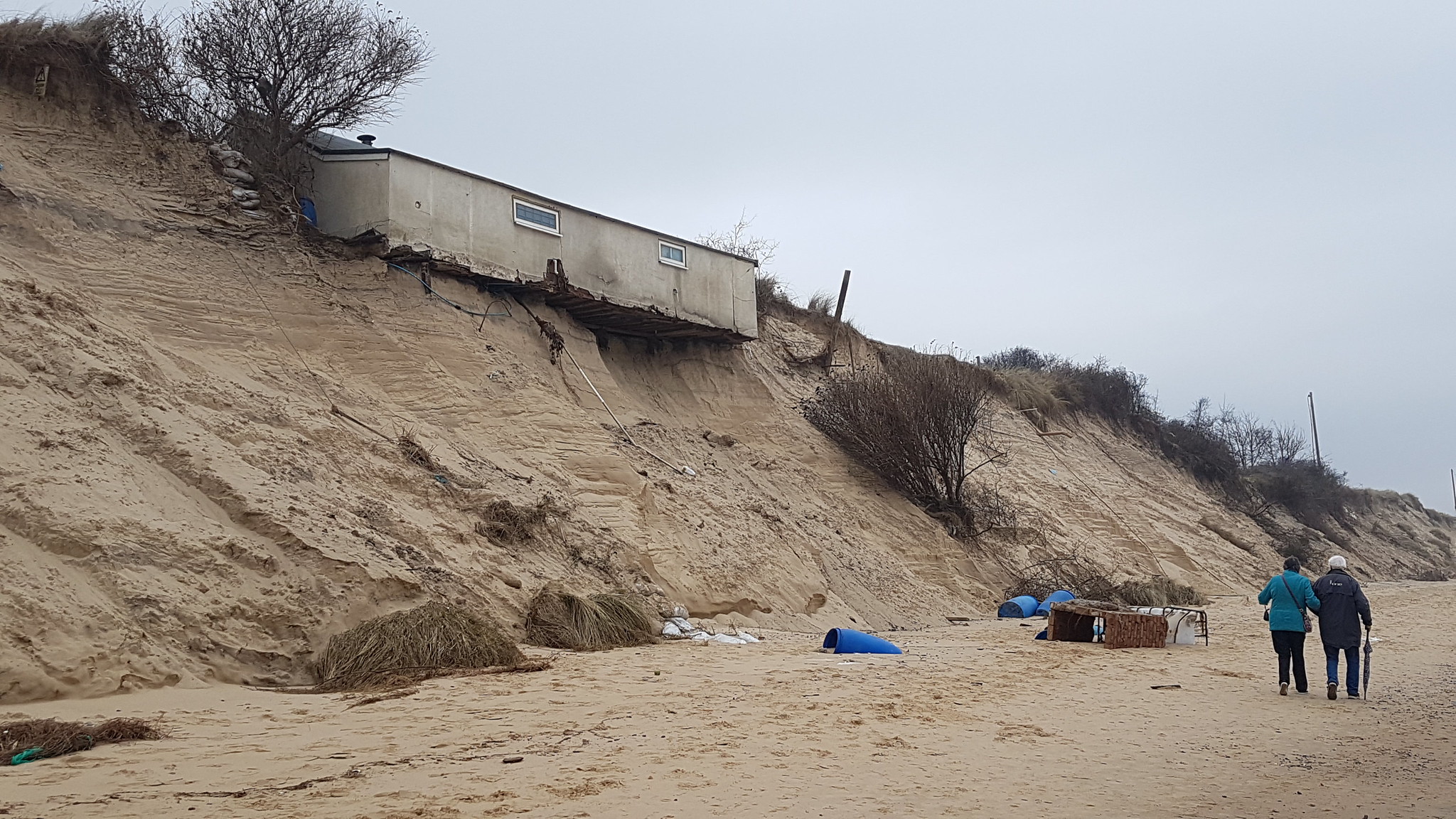

As we come towards the end of one of the hottest UK summers where our region was the warmest, sunniest and one of the driest, with rainfall 62% lower than average, a major talking point continues to be the impacts of climate change and how we mitigate against them both now and in the future.
After all, the food we eat and grow for the rest of the country, our health and adverse weather conditions all contribute to the environments in which we live and work. So, it’s important that we monitor and take appropriate action to mitigate climate change impacts.
The Tyndall Centre for Climate Change Research whose HQ is at the University of East Anglia (UEA) at Norwich Research Park, is one of the UK’s centres of excellence for the study of climate change and its impacts and is celebrating 25 years of important climate monitoring work.
Established in 2000, it is the UK’s first interdisciplinary and policy-relevant climate change research centre and is a partnership of universities, led by UEA, bringing together researchers from the natural and social sciences, with engineering, to develop sustainable responses to climate change. It works with leaders from both the public and private sectors to promote informed decision-making on mitigating and adapting to climate change.
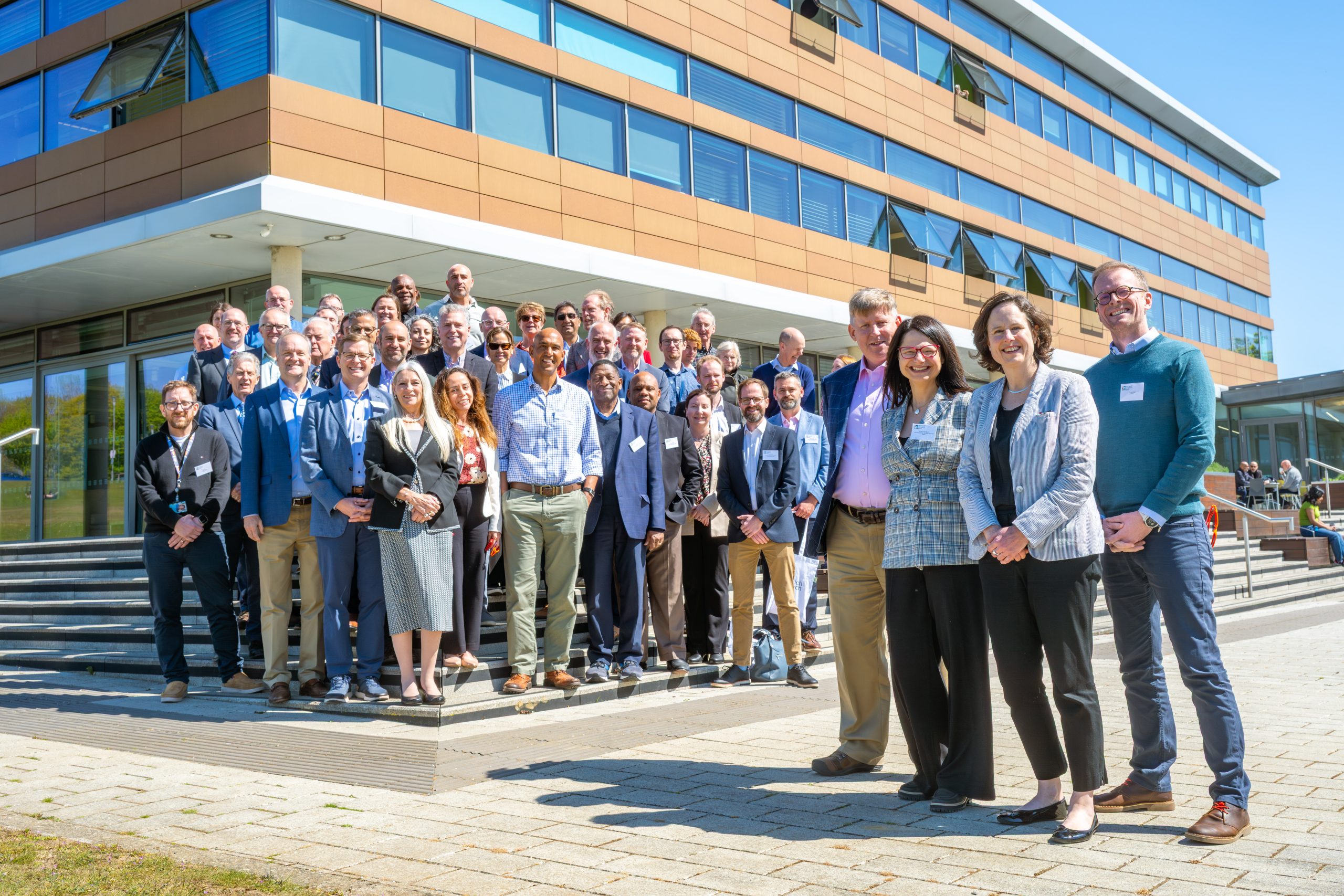
To mark its 25th anniversary, the Tyndall Centre has recently hosted its largest ever climate conference – ‘The Critical Decade for Climate Action’ – which brought together cutting-edge interdisciplinary sciences, with the arts and humanities, with the aim of generating new knowledge and to strengthen the foundations for a healthy planet and fair society.
Many of the brightest minds in climate change travelled to Norwich to discuss what research needs to happen over the next five years that will be truly useful for climate change action.
The experts at the Tyndall Centre believe that this decade is critical for us in our attempt to achieve the necessary progress to address the climate challenge. Adverse impacts of climate change are now considered widespread in all part of the world leading to loss and damage of both nature and people.
Tackling climate change transcends academic disciplines because it involves fundamental changes to how society functions politically, technologically, ecologically and economically. It touches on our core human activities and the way we operate as a society, locally, nationally and internationally, including our approach to the distribution of resources and issues surrounding inequality, poverty and social justice. To help create greater public engagement, the conference ran exhibitions at The Sainsbury Centre from artists illustrating how humanity responds to issues such as flooding and other climate impacts.
Asher Minns, Executive Director at the Tyndall Centre, explained, “Climate change is an all-encompassing issue that we cannot ignore, waste time being inactive or argue about. Not only is this conference our largest one in Norwich, it’s also our most important to date. For those of us who’ve been around since the start of the Tyndall Centre, this is our critical decade for climate action, it’s what we’ve been working for. For the younger researchers, their critical decades for climate action are yet to come.
“This is already a decade of profound changes. Climate change trends are increasingly distinguishable across an extensive range of environmental variables, with growing threats for vulnerable people, societies and ecosystems, increasing global and regional tensions.
“We cannot wait or deliberate because we are already missing our chance to protect this region and our planet’s future. In the UK, decarbonisation is working and is benefiting the economy, in this region we also need to become much smarter and more resilient to the impacts of climate change. That’s not really begun yet.”
As well as the research carried out by the Tyndall Centre, many researchers at Norwich Research Park working at world-leading institute such as the John Innes Centre, The Sainsbury Laboratory, Earlham Institute and Quadram Institute are addressing specific solutions, to mitigate the impacts of climate change, in sectors such as agrifood and human health.
In addition, new companies are spinning-out the findings of research to create businesses that can bring solutions to market such as growing rice on the surfaces of the world’s oceans, developing longer shelf-life and disease-resistant bananas and potatoes or creating dye for the fashion industry that is sourced from plants and insects!
A significant amount has been accomplished in the 25 years since the Tyndall Centre was established and it has had a profound influence on how we address the challenges of climate change. ‘The Critical Decade for Climate Action’ conference marks another important stage in its work to help address the global challenge of climate change. We should be proud that Norwich Research Park continues to be at the heart of the advancement of research into this undoubtedly serious issue.
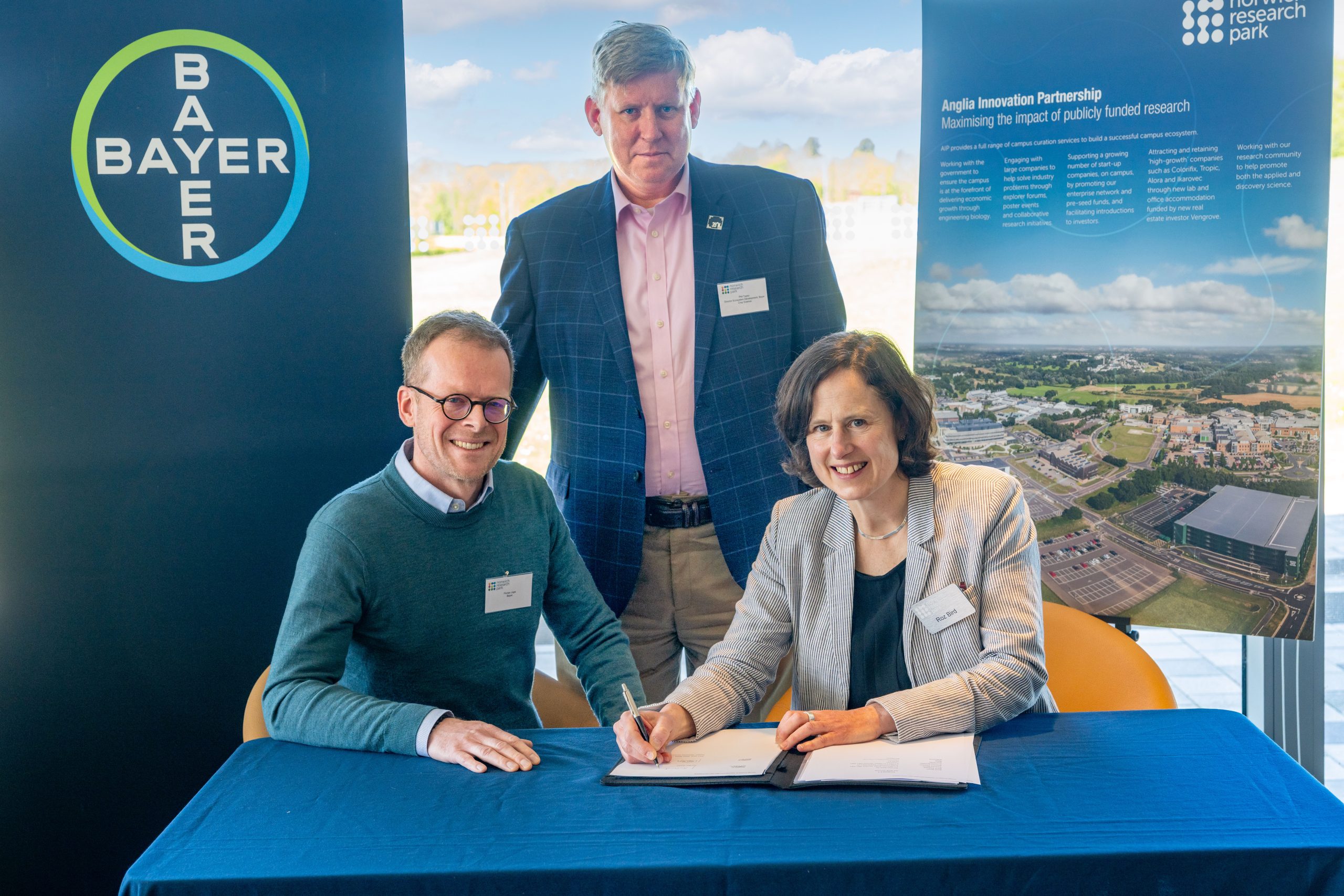
Roz Bird, CEO of Anglia Innovation Partnership, said, “We are very fortunate to have the Tyndall Centre headquartered at Norwich Research Park as climate change is one of the key challenges that our scientists are working on. They are looking for solutions that will mitigate climate change impact. Without doubt, collaboration across disciplines, and nations, continues to play a significant role in helping to discover novel approaches in AgriFood, so bringing together some of the brightest minds to Norwich Research Park, for this conference, has been a fantastic achievement. With the support of the AIP team, we believe that we will be successful in maximising the impact of the research taking place across the campus, delivering credible solutions that can be implemented to address some of the serious global challenges we face.”