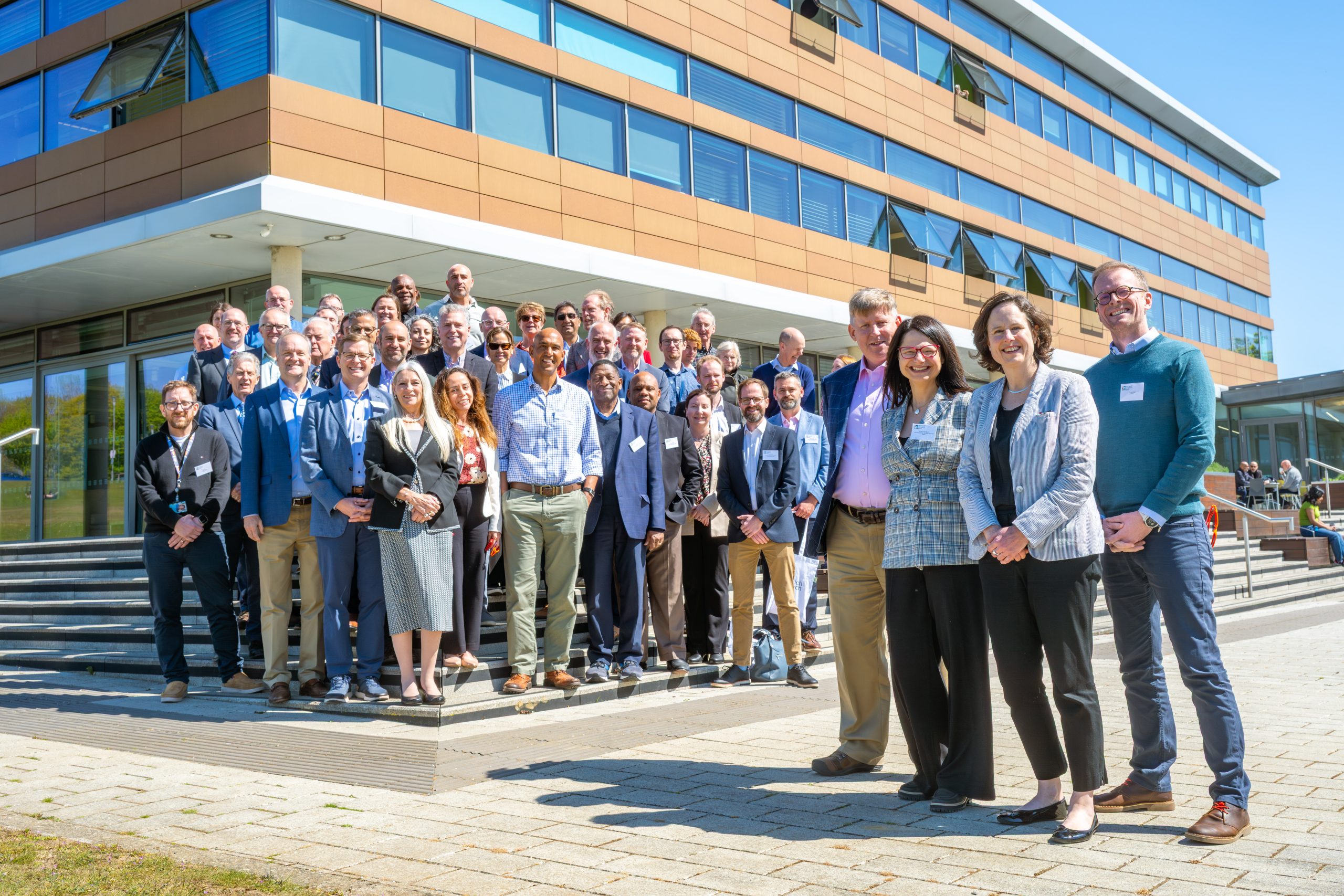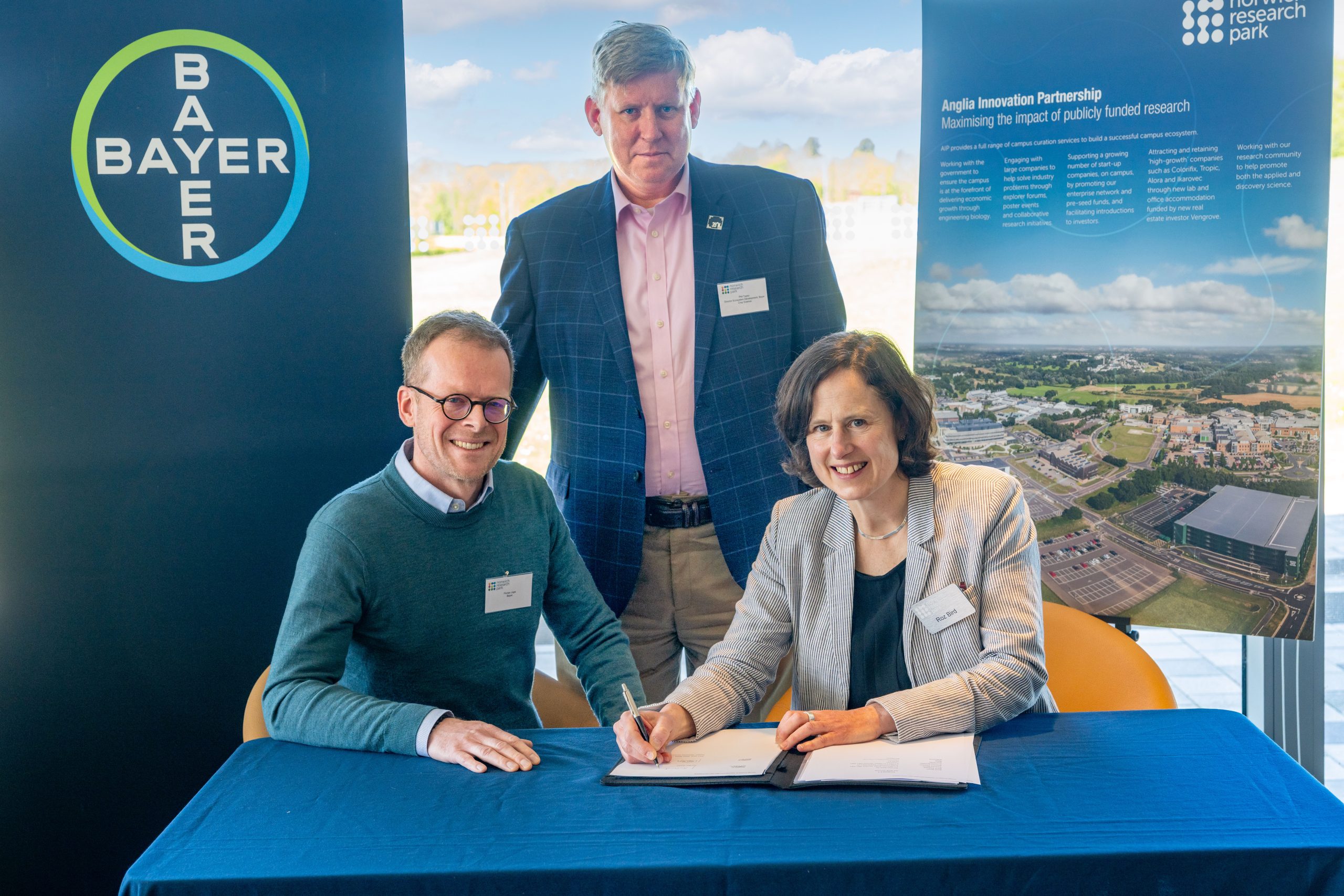
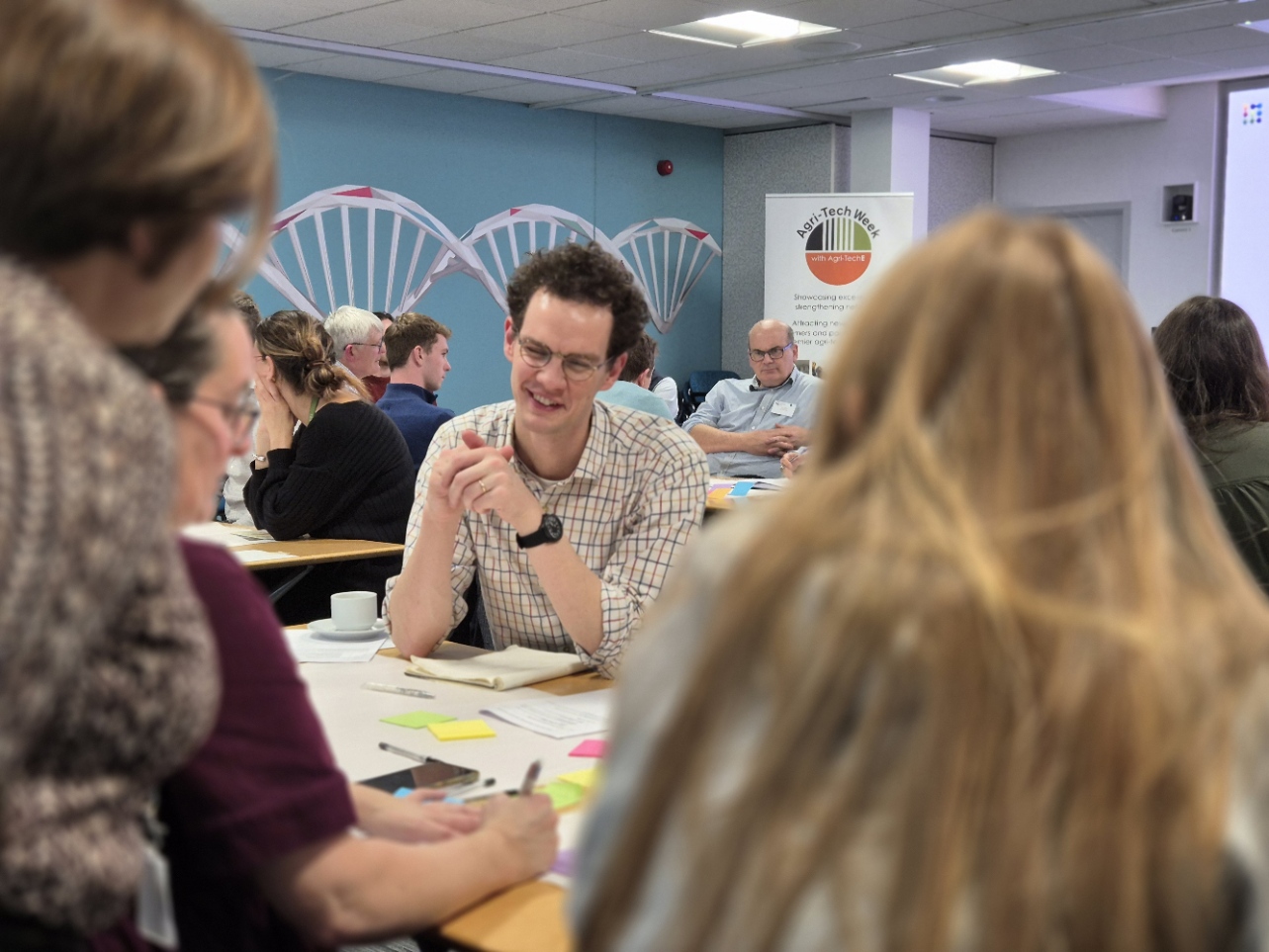
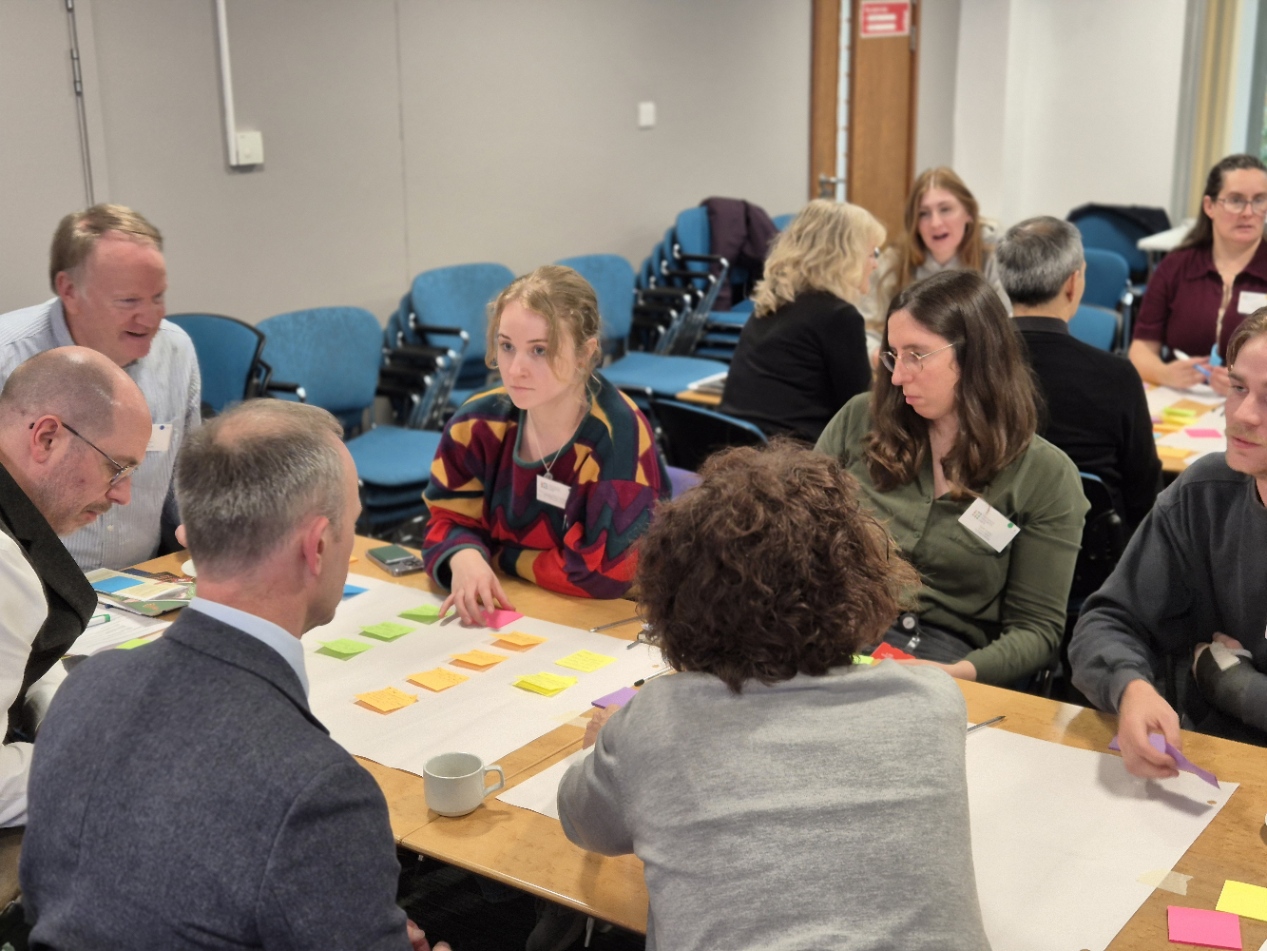
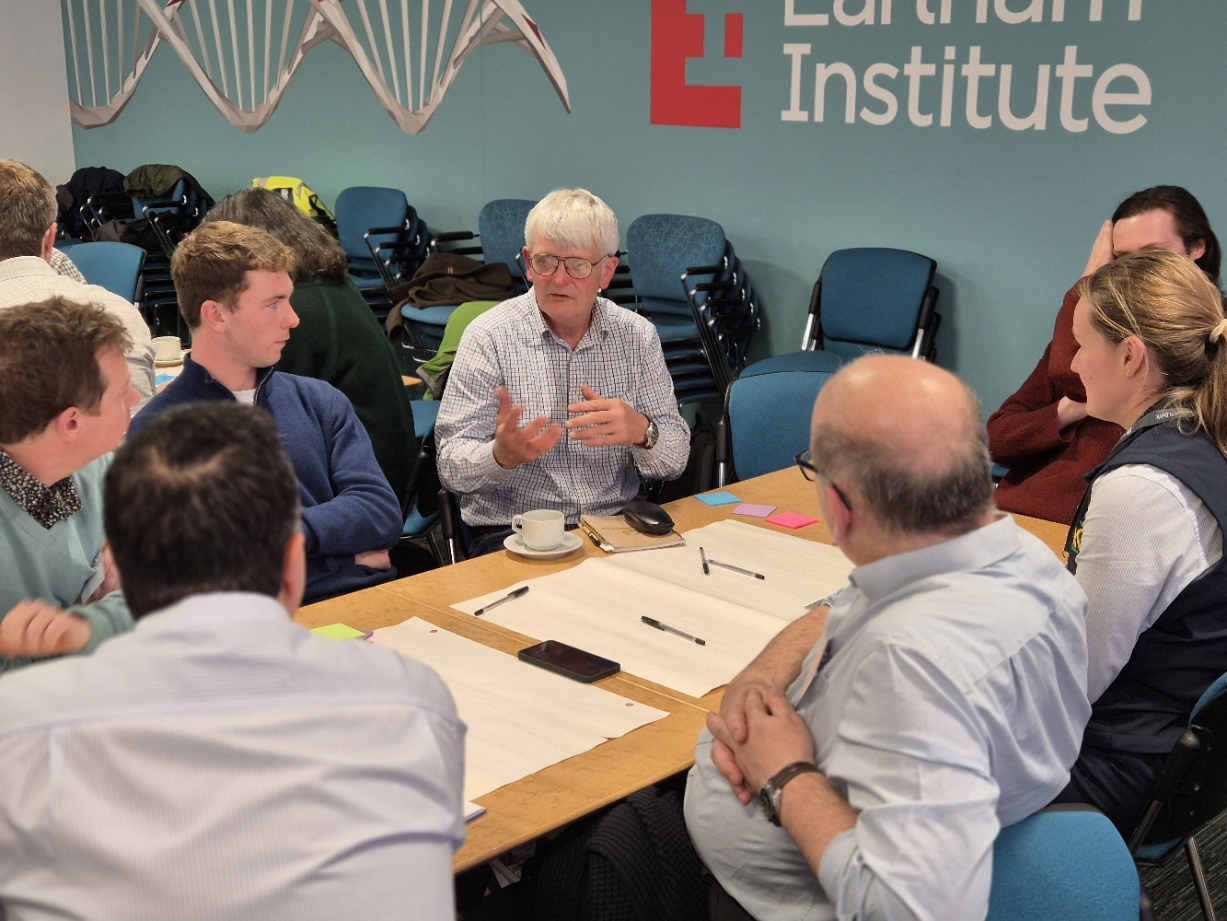
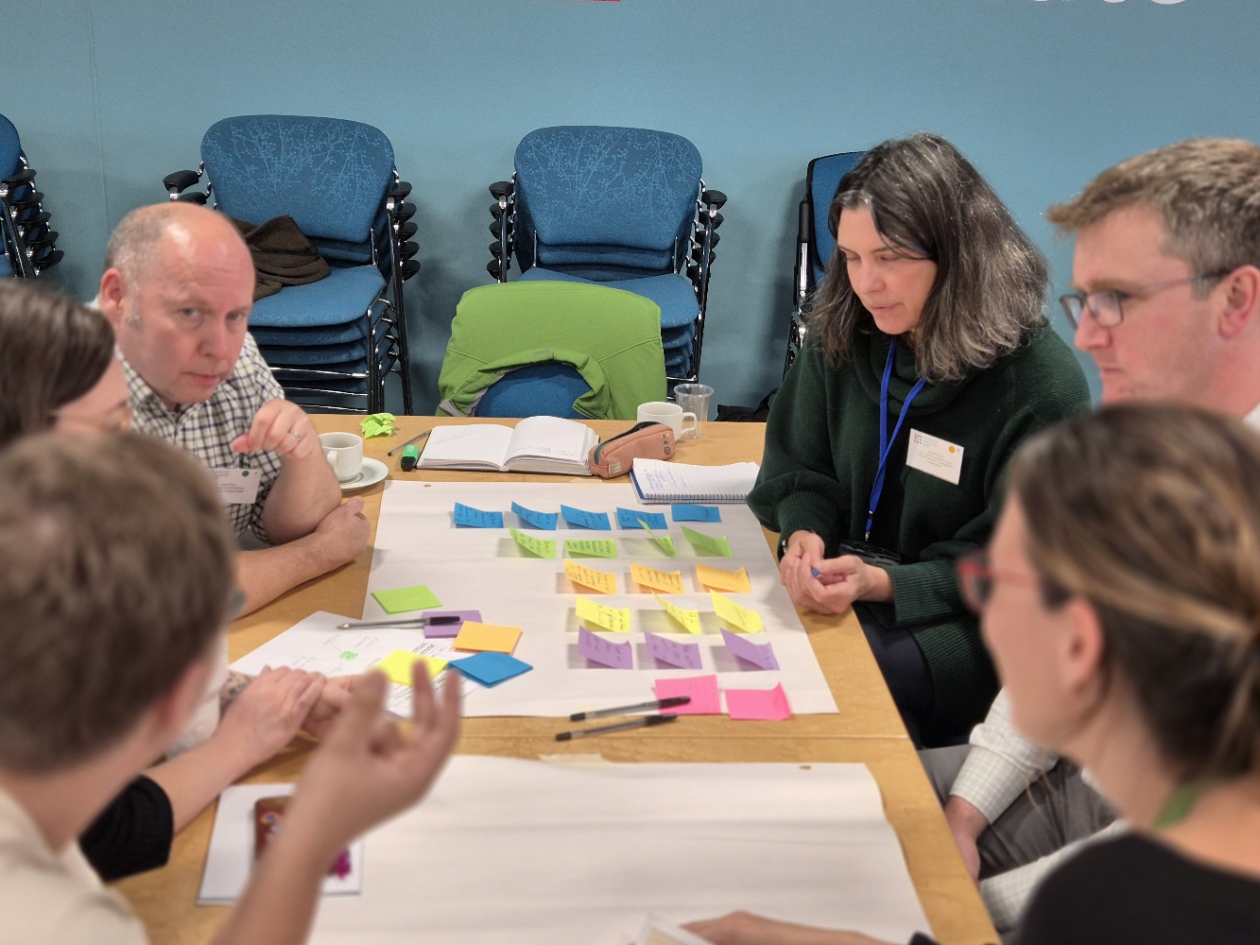
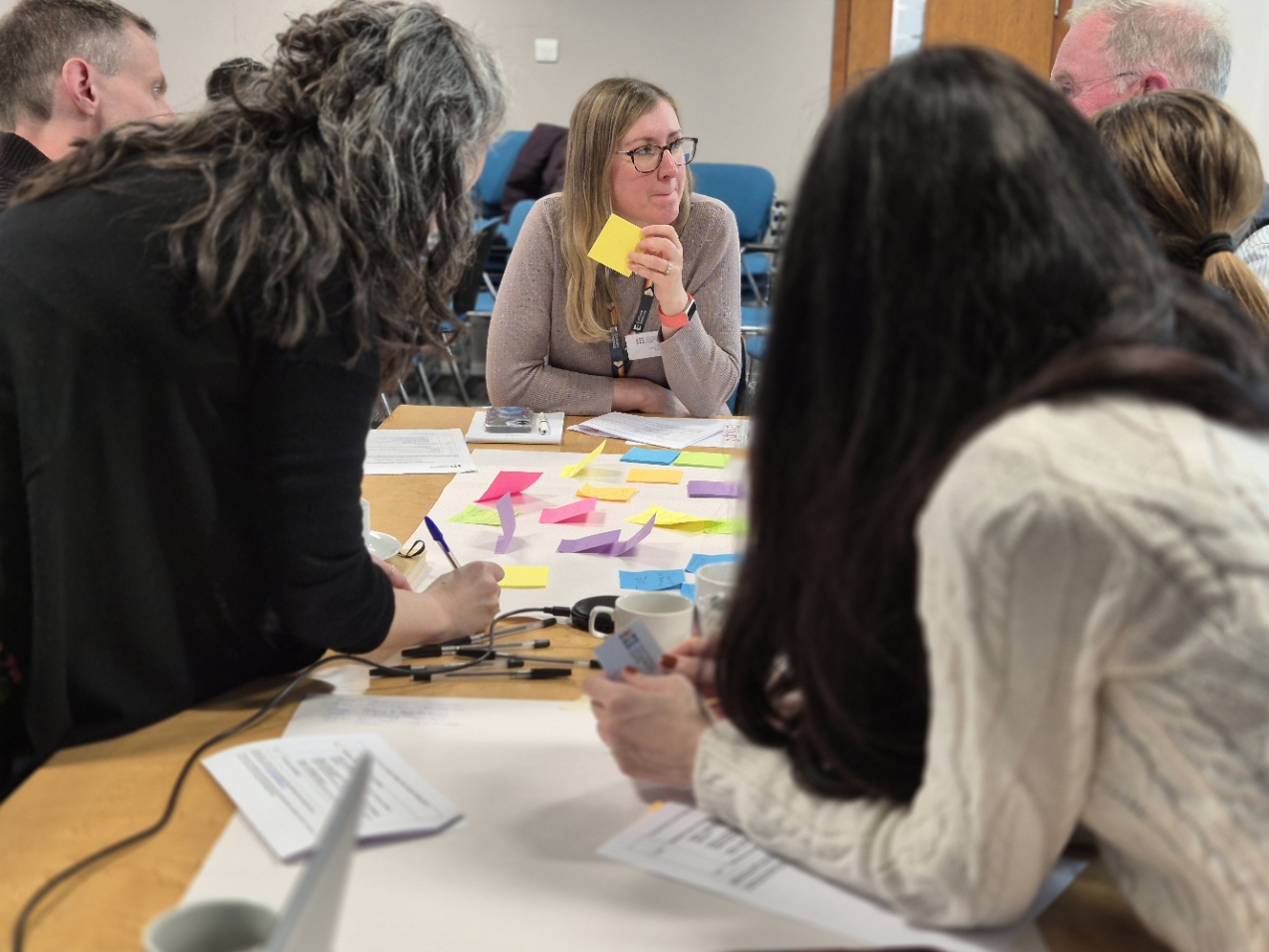
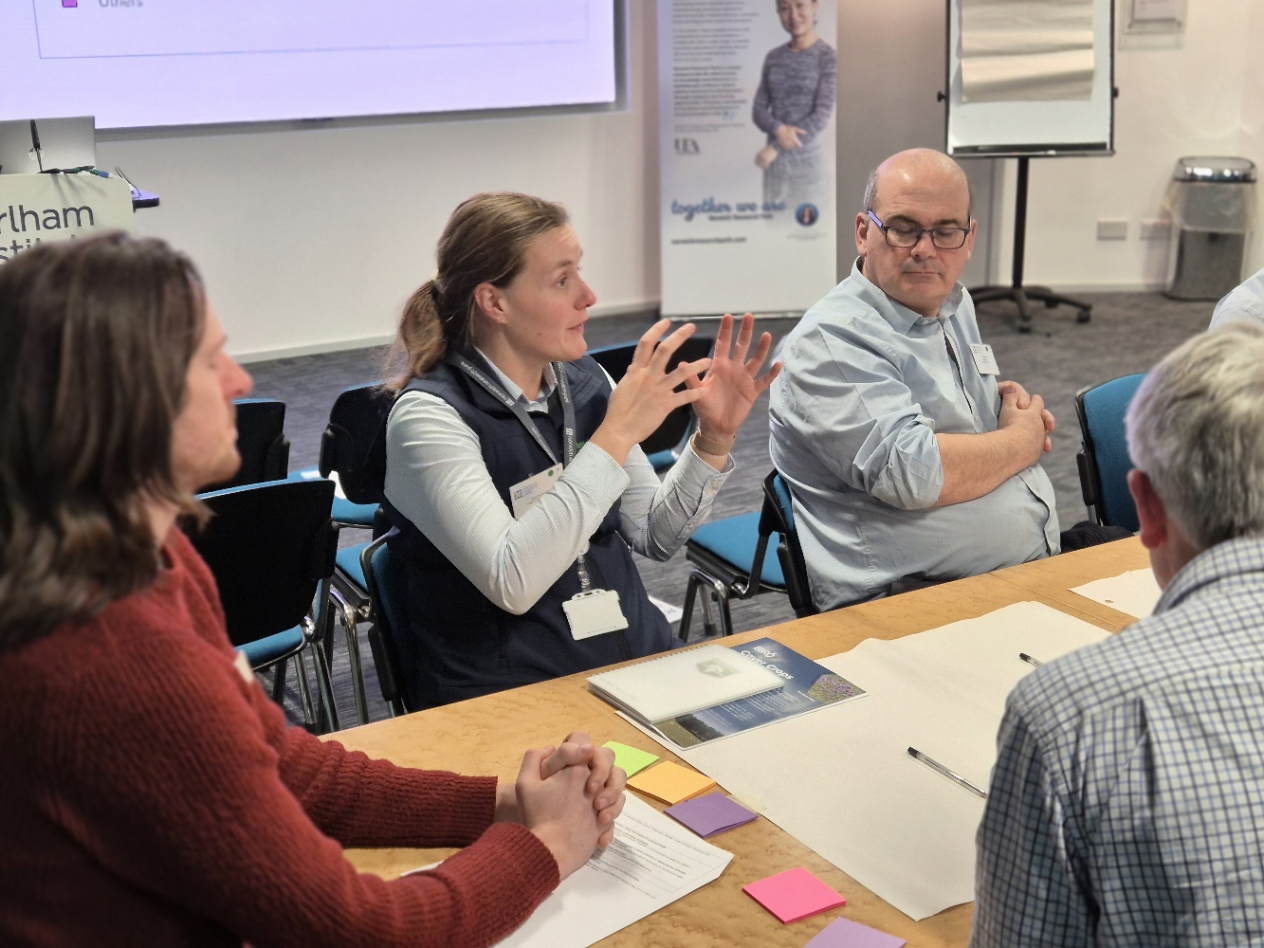
As part of Agri-Tech Week, Anglia Innovation Partnership hosted a 1-day workshop, Rooted in science: transforming soil for tomorrow’s farms policy and practice for heathy soil, on Monday 20 October, with the aim of generating ideas that could improve the soil health of the nation’s farms. Experts and stakeholders from across the agricultural and environmental sectors spent a day to together to get to grips with the core challenges we face in improving and maintaining the health of our soil so that, in turn, it will lead to a sustainable agricultural model for the future.
Attendees to the event included researcher and scientists from across Norwich Research Park, farmers and representatives from agri-businesses, who pooled their knowledge and experiences.
The day started with two plenary presentations from Dr Robert Bradburne, Chief Scientist at the Environment Agency and Dr Joe Taylor, senior molecular ecologist at the UK Centre for Ecology and Hydrology (UKCEH).
Dr Bradburne highlighted the critical role of soil in achieving the Environment Agency’s goals of supporting nature’s recovery, enabling sustainable growth and building climate resilience. Soil stores carbon, regulates water and nutrient flows and underpins healthy ecosystems. Maintaining productive soils is essential for environmental health and economic stability. The Environment Agency plays multiple roles including being regulator, planner, adviser and researcher to protect and enhance the environment.
Dr Taylor from UKCEH outlined the organisation’s pivotal role in soil health research. He emphasised how science informs UK soil indicators, agri-environment schemes and climate policy. He highlighted UKCEH’s national and international collaborations and their long-term environmental monitoring programs. UKCEH is currently working with the Earlham Institute at Norwich Research Park for its strategic research programme on biodiversity. It operates large-scale monitoring and observation networks which is essential for measuring environmental change over time. Dr Taylor also mentioned UKCEH’s soil bank facility for storing and analysing soil samples from nationally-important surveys and experiments. These soil samples are stored securely for future re-analysis.
He said, “I thoroughly enjoyed the day, particularly engaging with individuals directly involved in the agricultural industry, one of the workshop’s primary objectives. Hearing diverse perspectives and discussing the practicalities of implementing soil health policies was both insightful and valuable.”
To dig a little deeper into some of the issues, four researchers working at Norwich Research Park then gave a series of short ‘flash’ talks on their research work in the area of soil health.
Dr Georgina Barratt, head of crop production at the British Beet Research Organisation (BBRO) spoke about how important it is to grow cover crops between sugar beet crops to rebuild the health of the soil in terms of replenishing nutrients, improving soil structure and building organic matter. BBRO has published a cover crops guide for British sugar beet growers and is keen to work with farmers to support its farmer-led research.
Prof Brian Reid, professor of soil science at the University of East Anglia (UEA) shared news about the UKRI-funded £3.8m LUNZ (Land use for Net Zero) OpenLAND research project that will provide reliable data for soil carbon and health. He also emphasised the importance of land use interventions like biochar (charcoal) in carbon sequestration.
Dr Sarah Guiziou, Group leader at the Earlham Institute, talked about the role engineering biology can have in diagnosing, understanding and improving soil health as plants are struggling to adapt to climate change. Her group is developing tools to understand how engineered soil microbes interact with plant roots and support in root development. Her research work supports DEFRA’s healthy soil policy by using genomic knowledge of soil microbial diversity.
Dr Maria Hernandez, plant scientist at the John Innes Centre spoke about her Wish Roots Project where she is working on bread wheat genetic diversity to identify specific root traits of certain cultivars that could optimise N-cycling and improve soil structure. She is also working on how different land farming practices and soil types could influence the soil structure. Her findings will provide actionable insights for breeders, farmers and policymakers.
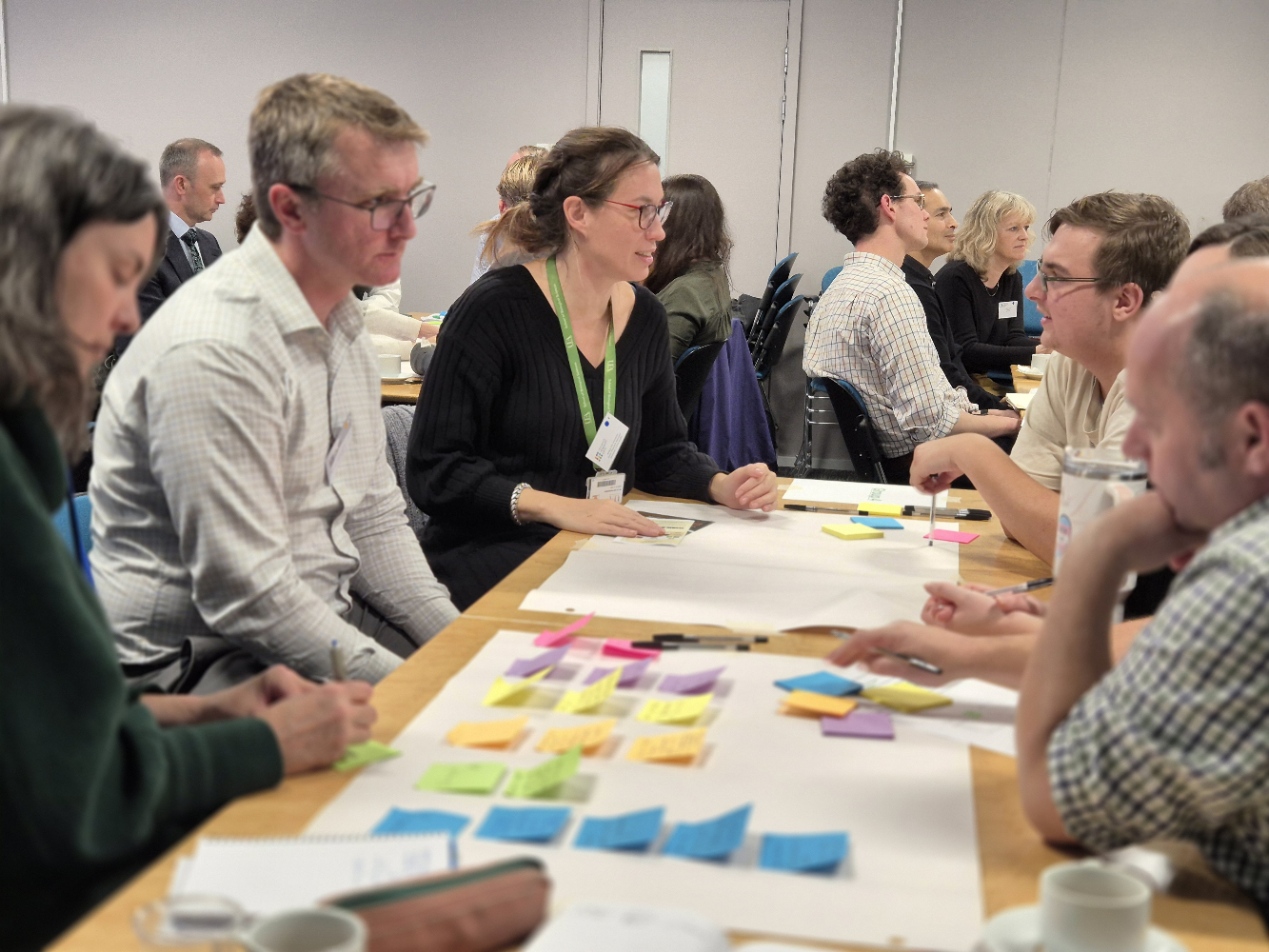
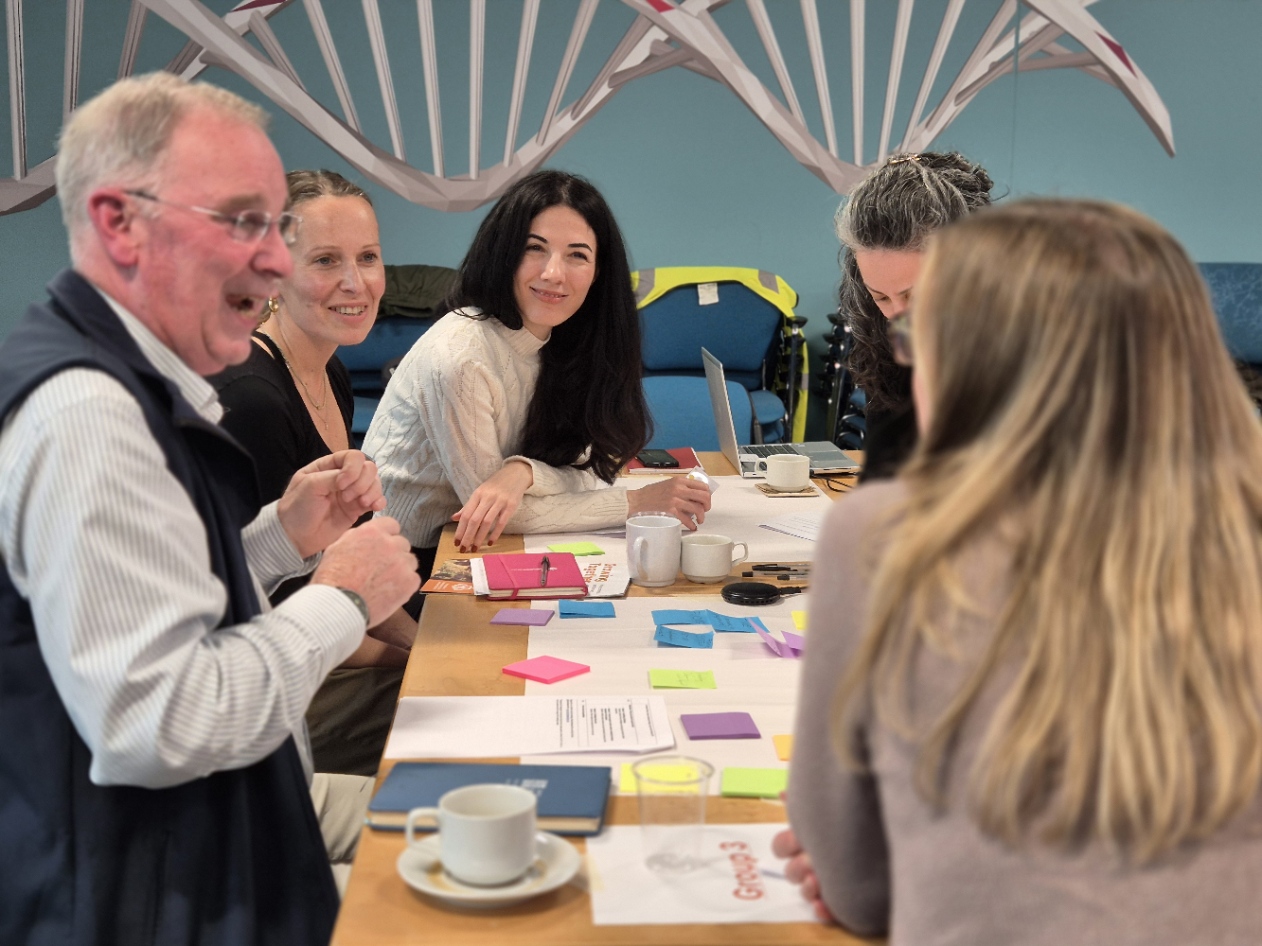
And then it was time to apply the collective knowledge and learnings of the delegates in round table workshops where people with mixed backgrounds were set the task of identifying the most important challenges agriculture faces in soil health, highlighting the tools and support they thought would be needed to deliver solutions to successfully address these challenges and finally to propose actions that should be taken to put the discussion into practice.
The outputs of the sessions can be summarised as;
- We must be able to define and measure soil health. This is so that it can be quantified enabling farmers to monitor it. Which means we need to create tools and technology that can do this effectively and quickly.
- Create consumer awareness and pull for crops grown in healthy soil. We need to engage with supermarkets to drive consumer acceptance and appeal of crops grown in healthy soil. To do that we need some sort of certification to signal to consumers which produce is grown in healthy soil. A lot of the measurement already exists so it is a matter of pulling them all together, joining it all up and packaging a coherent set of messages/brand idents.
- Create a strong policy on soil health. We need to bring together an interdisciplinary programme like we have done for UK Wheat where we engage finance, industry, policy makers, farmers and scientists that can prove the value of healthy soil by way of things like improved productivity. But we need evidence of what that looks like. So maybe spin out a project from today to create a soil health dashboard that can be linked to a financial system whereby healthy soil results in an increased value of the land. We need a cross-disciplinary committee backed by plant and soil scientists from Norwich Research Park to be funded to deliver this.
- Timescales and mindsets that lead to behavioural changes. We are missing a link between sectors and there is a misalignment of expectations. We need a national strategy to enable investment need to address these issues. Expectations and timescales for each sector is challenging so we need proper leadership to lead these challenges.
- Make the money flow. We need to identify for all elements of the supply chain what’s in it for them. We need to de-risk the situation so that there are no barriers to participation and tap into the capital markets that are geared to net zero and sustainability. To do that we need to define soil health and come up with the metrics to do this maybe through AI? But, and it’s a big but, we have to recognise and work round that fact that every location and soil type is different with different variables that can impact on the quality of soil health even at a micro level.
- Route to market. We need to create a demand from consumers to support farming products grown in healthy soil. We also need a programme of education not only targeting consumers but also farmers and policy will play significantly key roles in this. Retailers also have a key part to play in the adaption of health soil grown products. Can they give up a little bit of margin to get these crops on their shelves?
Dr Monika Chhetry, science collaboration manager at Anglia Innovation Partnership, who ran the event, said, “It was a fantastic day and I am very thankful for the energy and commitment that everyone who attended brought with them. Having the opportunity for people who are genuinely invested in the health of our soil and the impacts it has on agriculture is so valuable.
“The outputs the groups agreed to take forward could turn into real-world projects that ultimately will help to address some of the key challenges identified. Not only will we have practical things to deliver, but we have also opened up channels for valuable ongoing dialogue between the farming and science communities that will enable them to work more closely together on other projects or issues.
“It is vitally important for this country to preserve the health of our soil as it supports the food production of the UK and the livelihoods in of people in a very valuable industry. A healthy soil will mean we will be able to continue to provide high quality produce from farms for UK consumers which is good for the economy, sustainability and our food health.”